
Brand signalling through the lens of outdoor and adventure gear.
Over the last few years, I’ve spent a considerable amount of time up in the mountains in Slovenia, Italy, France and Spain. It’s become our go-to weekend and holiday activity. And it’s fertile ground for me to explore my interests in the outdoors, culture and branding. I love seeing which outdoor brands people are choosing. But it is interesting to see how brand choices, whether a specific brand or even no-brand, signal the type of hiker-subculture or community they belong to. I’m not judging; honestly, I don’t actually care what anyone wears.
The outdoor clothing and gear market serves as a perfect microcosm for brand signalling. There are a huge number of brands competing in this space, and it’s generally conspicuous branding (clear logos and design language, badging in place). From an observational standpoint, the signal-to-noise ratio is good.
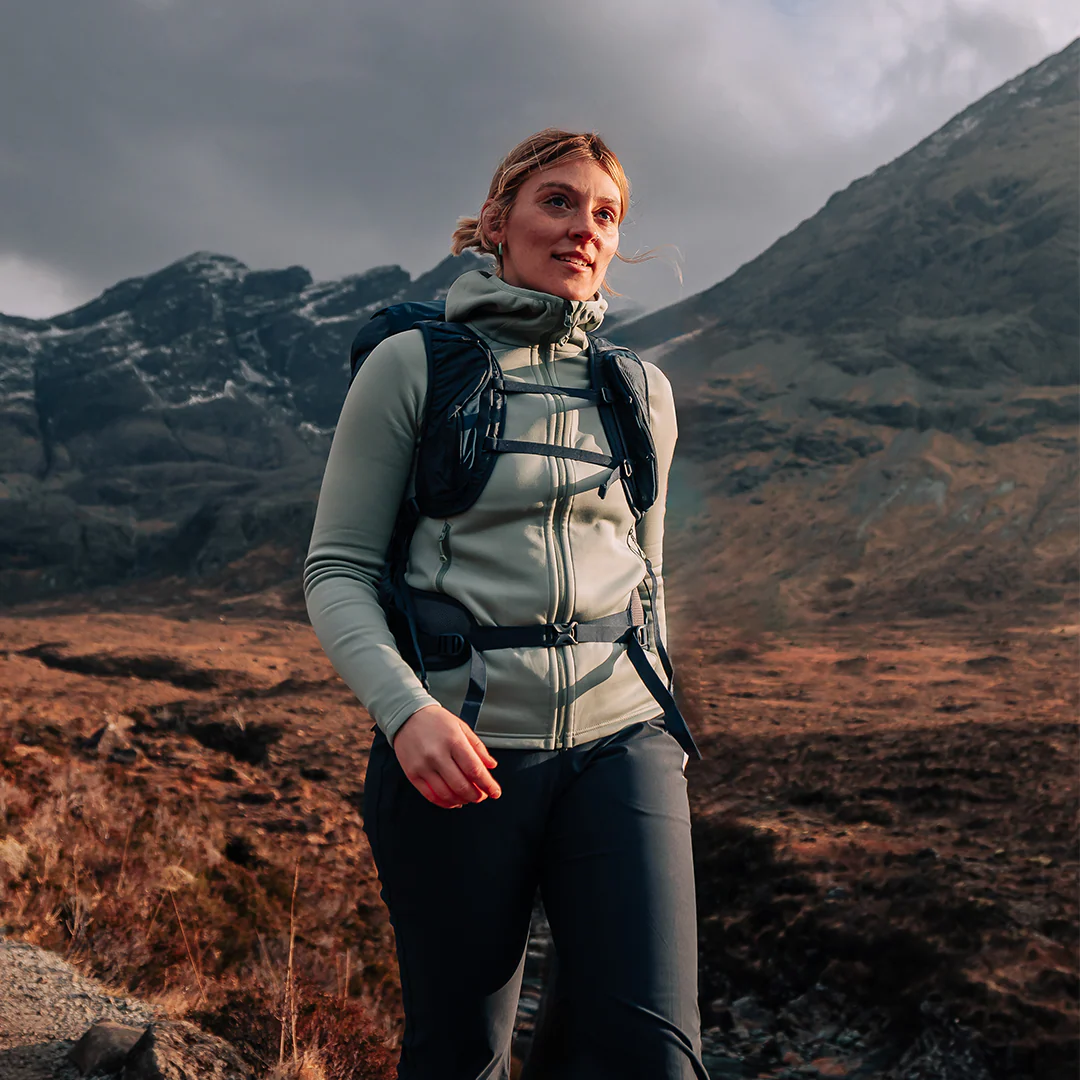
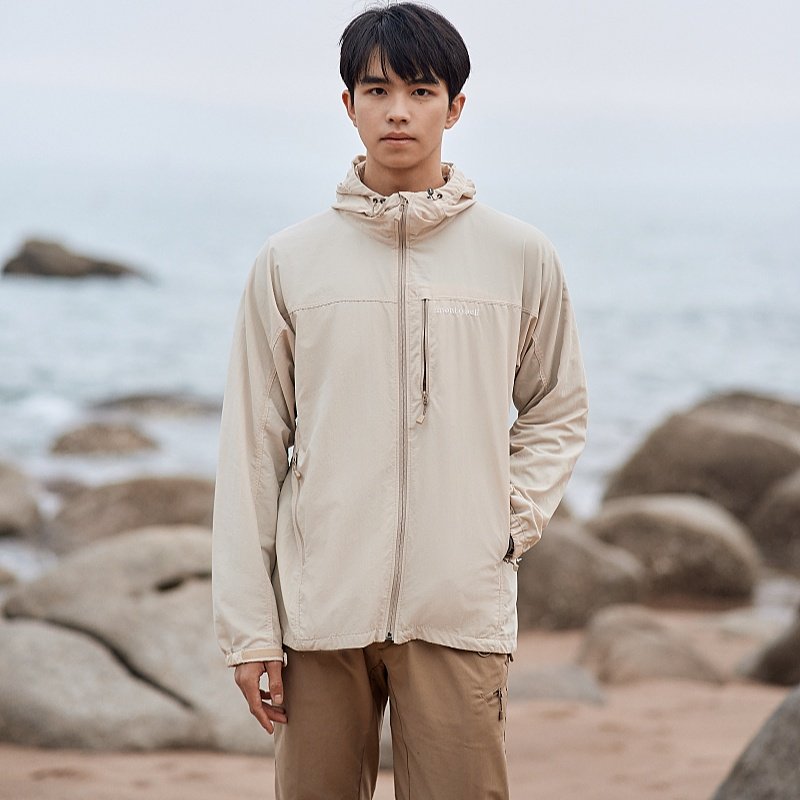
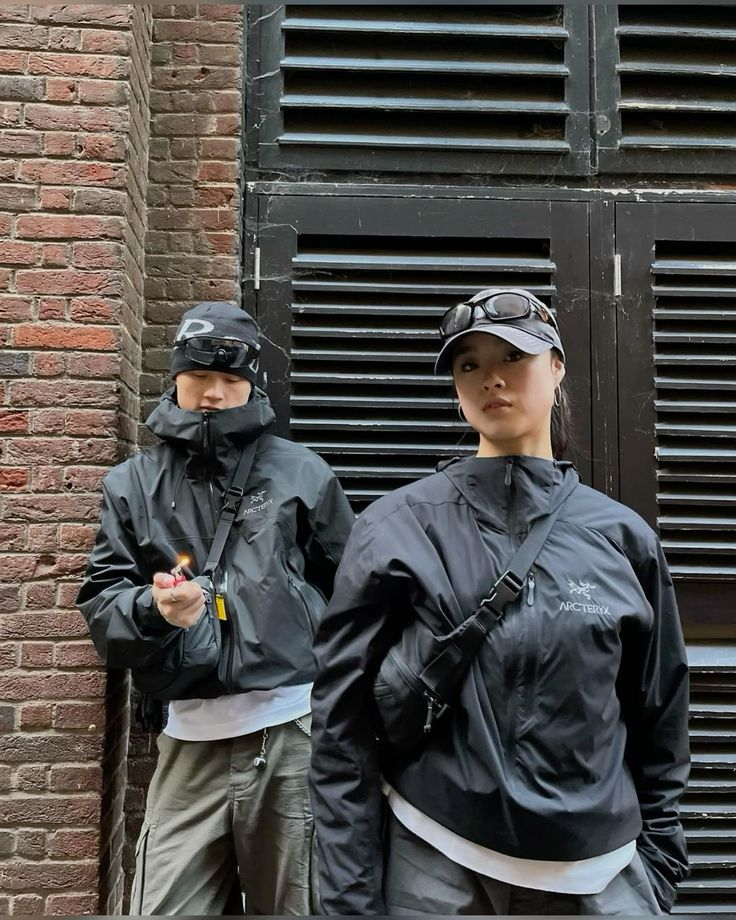
Back to choice. From Quechua, by the ever-accessible Decathlon, to premium brands like Arc’teryx and niche labels such as Gramicci, the spectrum is huge. In between, you find brands like Berghaus,Patagonia, and Fjällräven, each positioned at various points along axes of technicality, sustainability, values, community, affordability, and insider knowledge. Hiking/Outdoors is not a single culture; hikers divide into numerous subcultures, ranging from the old-guard traditionalists (wearing well-worn Lowe Alpine) to the younger, trendier Montane-wearing crew inspired by the new wave of hiker influencers like Zanna van Dijk.
The interesting thing isn't what these brands say about themselves. It's what wearing them says about you
Some of these sub-cultures are more brand-conscious than others. And within these subcultures, some hikers are very brand-conscious, while others consciously opt out of the brand game; even that decision communicates a message: it’s about the experience for me. So whether you’re up the mountains in head-to-toe logos or pure and logo-less, you are exhibiting classic social behaviours around identity and belonging.
The three archetypes of outdoor consumer
The legitimiser. They’ve invested in the right gear because it signals they take this seriously. The brand serves as social proof for other hikers, yes, but also for itself. The jacket is a commitment device. I own this; therefore, I am a person who does this.
The Anti-signaller. They’ve deliberately moved away from the obvious brands, toward the more considered, less visible choices. Obscure Japanese manufacturers. Expedition gear from years ago, secondhand gear from de-pop. Gear that looks like nothing in particular unless you know exactly what it is. The signal here is: I’m beyond needing to signal.
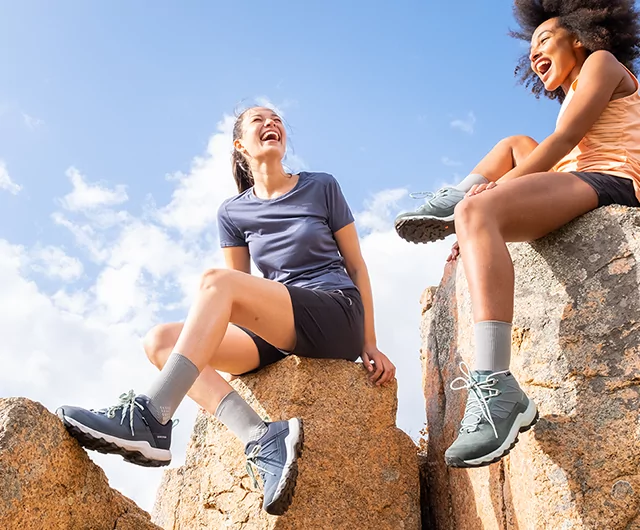
The Pragmatist. They want gear that works, and they’d rather not think about it. Decathlon serves this well, and, actually, it has become its own kind of signal. There’s a knowing confidence to the person in full Quechua kit on a serious mountain. I don’t need the brand to do the talking.
Enter Gorpcore
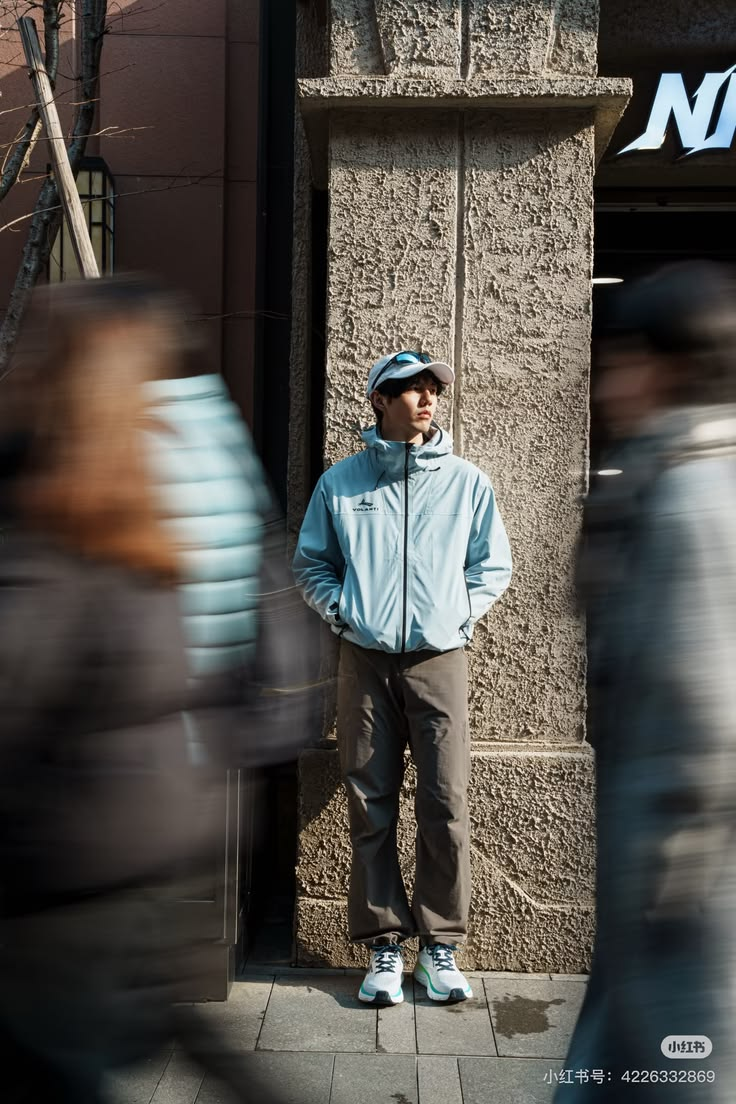
In 2017, something happened that changed the outdoor market. Gorpcore, a place where outdoor/adventure meets high fashion and streetwear. The trend is still alive, albeit having peaked through 2022-2024. During that time, established brands came down from the mountains and started appearing in clubs (like Salomon), on e-scooters (like The North Face), and among finance professionals (like Arc’teryx). This isn’t a new phenomenon; brands like Moncler have long straddled the line between expedition wear and exhibition wear. While the brands themselves might not have changed much, their target audiences have shifted, and what the brand signals has changed with them. Brands like Salomon were not responsible for creating the trend; they leaned in and managed it. When a brand with a strong existing community is colonised by a new type of customer, the original customer base is often left frustrated, their loyalty tested. Brands will often address this by producing ranges designed to appeal specifically to their original customer base, either by producing gear with less conspicuous branding or by doubling down on high-performance specifications to offset street popularity.
The same North Face jacket that says "I've done my research and I'm prepared" on a ridge says something else entirely on an e-scooter. The brand didn't change, the audience decoding it did.
Which leads me to something potentially more interesting than outdoor gear, though: if signalling is this instinctive and fluid in something as low-stakes as a jacket, what role could it play in enriching corporate or inter-business branding, and if we don’t understand what we want our brand to mean, what hope do we have of mobilising a community of customers?