
Where the story starts
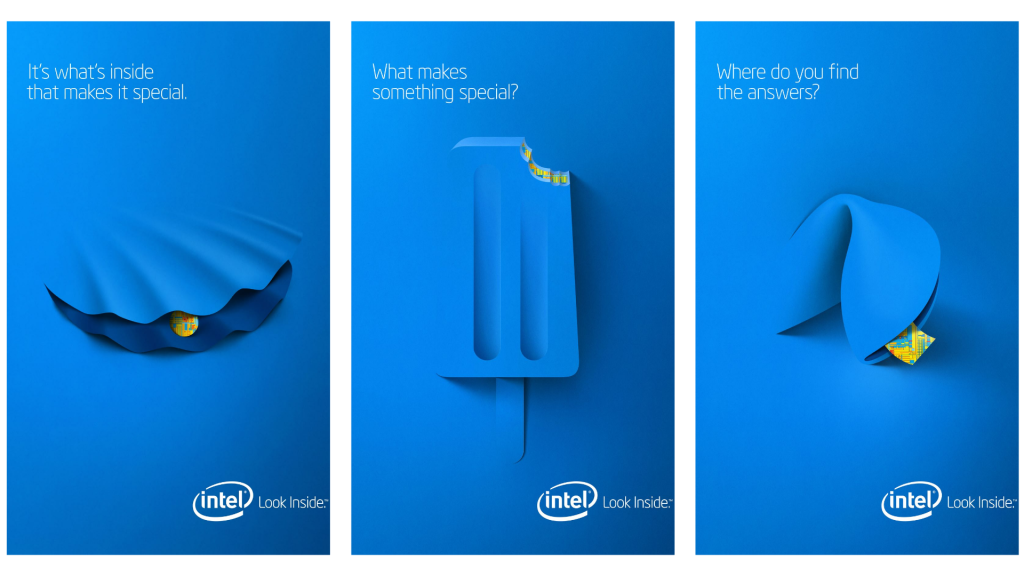
By the end of 1992, over 500 computer manufacturers had agreed to put someone else’s logo on their machines. This is the story of Intel, one of the most famous examples of a company nobody could see becoming a reason people trusted the product anyway. People didn’t know much about the company itself, they just knew that if Intel’s logo was there, the computer was better.
Your audience
If you are building a brand in the ingredient industry, your audience is the whole chain of people who decide what goes into a product before it gets to the shelf: the product developer, procurement, quality, marketing,… Your brand has to speak to all of them.
Developing a new product takes minimum 18 months, and your brand has to hold up through every one of those decisions, made by different people at different stages.
This matters more than we think
A consumer brand can lean on packaging and advertising to earn trust fast. An ingredient brand doesn’t get that shortcut. Trust starts at the company level, from the first point of contact and then it moves down to the ingredient level batch after batch, delivered consistently, until brands stop double-checking and just rely on you.
Competitors eventually catch up and match the specs, and what felt like an edge becomes normal. What’s much harder to copy is reputation, built from brands choosing you again and again over years.
What this looks like in practice
We see this every day with clients like Aquamin. Aquamin is a company that produces marine minerals, calcium, magnesium and dozens of trace minerals, harvested from red algae off the coast of Iceland, and supplies them to brands making things like bone, joint and sports nutrition products.
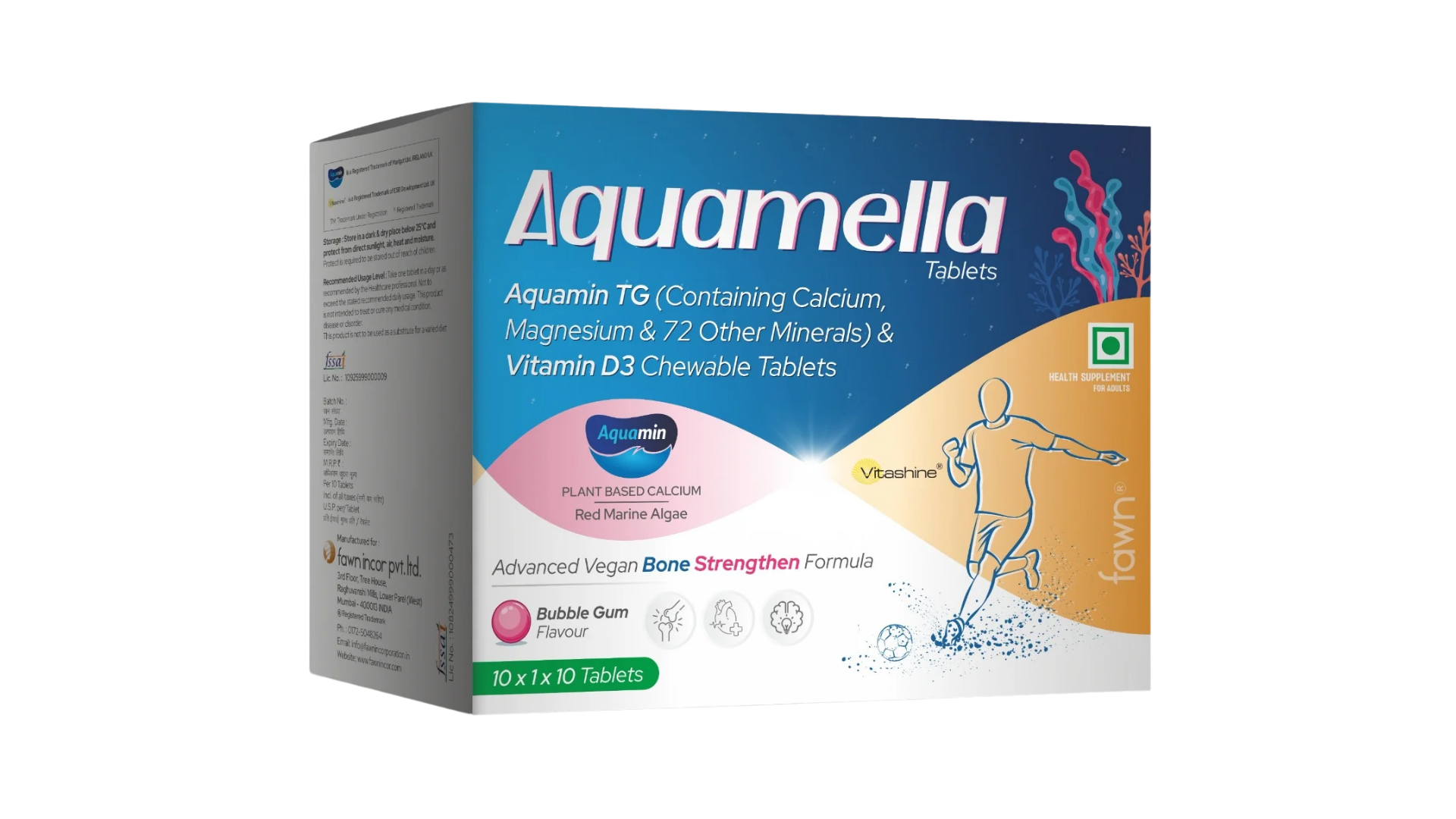
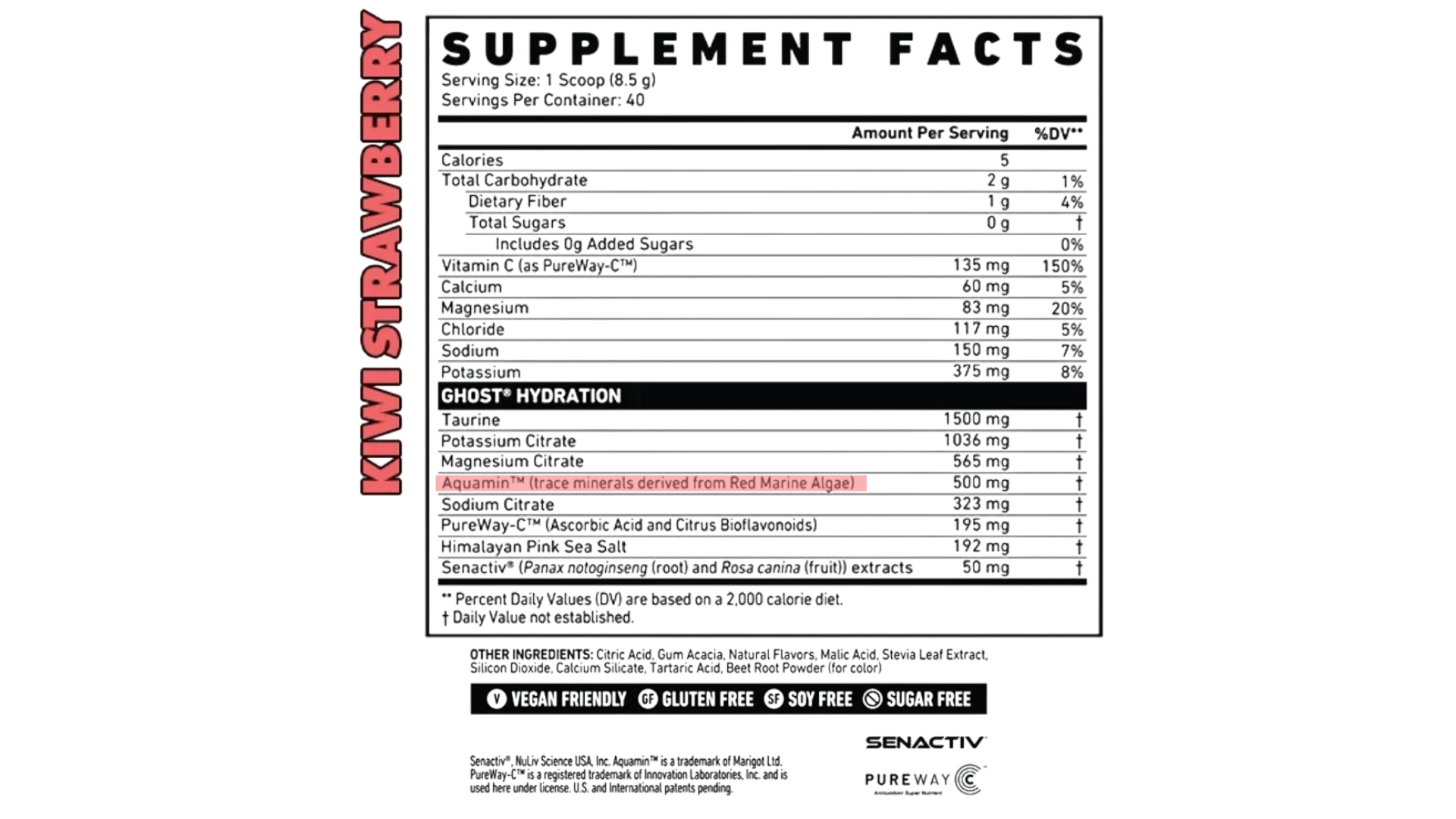
Some of the brands using Aquamin, put its logo right on the packaging, the way Aquamella does on its calcium tablets. Others list Aquamin in the ingredient label, the way Ghost does on its hydration products.
More than 30 clinical trials back up what Aquamin actually does, and it’s the only company with the rights to harvest its particular source of marine algae off the coast of Iceland. None of that needs to be shouted about on the packaging. What Aquamin is really building is trust with the brands who choose to use it, product after product.
So once a manufacturer trusts an ingredient brand, they tend to stay with them, and the relationship grows into something closer to a partnership than a simple supplier deal.
It’s less about being known by millions of people, and more about reaching the point where a supplier asks for you instead of just describing a generic ingredient. That’s the moment the brand has done its job.
What we’ve learned working with brands like this
We’ve spent years working closely with food and ingredient producers, and even though every client is different, they face the same question: how do you show your value when your name is rarely on the package?
For us, the answer is clearer positioning: a brand that talks about its expertise as confidently as it talks about its innovation, and shows up consistently everywhere, a technical buyer sees you: your website, your data sheets, your stand at a trade show, your sales conversations.
The story still matters here too, even more than usual. A technical buyer wants to know why an ingredient exists, what problem it solves and why it’s worth choosing over a cheaper alternative that does roughly the same thing.
It’s all about trust
People often use the word “invisible” for ingredient brands, but we like to describe it differently.
The brand is very much there, just working in a place most people never look: in the relationship with the buyer, not the relationship with the crowd.
That’s the quiet power of ingredient branding. It’s really about shaping the decision long before the consumer becomes part of the picture, and earning trust with the people who make that decision that they keep choosing you, quietly, again and again.
Building a brand that spends most of its time working behind the scenes can feel different. One where being specified matters just as much as being seen.